How Biotechnology Is Transforming Medicine and Science
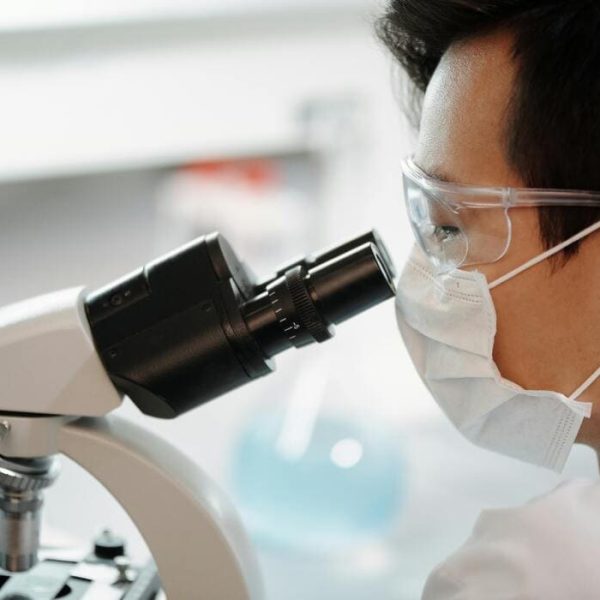
From life‑saving therapies to sustainable materials, modern labs are reshaping how we diagnose, prevent, and treat disease. Behind the headlines is a powerful convergence of genetics, computing, and advanced lab tools that is accelerating discovery and bringing innovations to clinics and companies faster than ever. Below are key ways this revolution is unfolding—and how researchers, startups, and healthcare providers are adapting to keep pace with rapid scientific and operational change.
1. Personalized Treatments Built on Genetic Insights
One of the most dramatic shifts is the move away from one‑size‑fits‑all medicine toward therapies tailored to an individual’s DNA, lifestyle, and environment. Genetic sequencing now allows clinicians to:
- Predict a patient’s risk for certain cancers, heart disease, or metabolic disorders.
- Choose drugs based on how a person is likely to metabolize or respond to them.
- Design targeted treatment plans that minimize side effects and improve outcomes.
As sequencing costs continue to fall, more clinics and diagnostic labs are integrating genomic data into routine care. This shift requires not only technical know‑how but also streamlined digital tools for handling reports, billing, and record‑keeping—especially in small practices and research‑oriented startups that must operate efficiently to stay competitive. Solutions such as a **invoice generator free pdf** help them keep financial workflows as modern as their science.
2. Gene Editing and Cell Engineering for Next‑Generation Therapies
The rise of precise DNA editing tools has opened the door to directly correcting disease‑causing mutations. Combined with advances in cell culture and manufacturing, this enables:
- Engineered immune cells that can recognize and destroy cancer cells.
- Potential one‑time treatments for inherited blood disorders and certain forms of blindness.
- Custom cell lines designed for drug screening, toxicity testing, and disease modeling.
While many approaches are still in clinical trials, early successes show how powerful these technologies can be when paired with rigorous regulation and ethical oversight. Medical centers and biotech companies are building specialized facilities to produce these complex products safely and at scale.
3. Regenerative Medicine and Tissue Engineering
In parallel with gene‑based approaches, researchers are exploring ways to repair or replace damaged tissues. Using combinations of scaffolds, cells, and growth factors, they aim to:
- Restore function to injured joints, bones, or cartilage.
- Encourage damaged heart tissue to regenerate after a heart attack.
- Develop lab‑grown skin, corneas, and other tissues for transplantation.
These strategies rely on careful control of microenvironments, sophisticated biomaterials, and deep knowledge of how cells behave in three‑dimensional structures. Progress here could reduce dependence on donor organs and improve recovery after major injuries or surgeries.
4. Rapid Diagnostics and Point‑of‑Care Testing
Faster, more accurate diagnostic tools are transforming how clinicians detect disease and monitor treatment. Modern platforms can:
- Identify pathogens from a simple swab or blood sample in hours—or minutes.
- Measure multiple biomarkers at once to assess immune status, organ function, or infection severity.
- Operate at the point of care, including pharmacies, community clinics, or even at home.
The impact is especially profound in infectious disease, where early detection can limit outbreaks and guide targeted therapies. For chronic conditions, regular monitoring through compact devices can help patients and providers adjust treatment before problems escalate.
5. AI‑Enhanced Drug Discovery and Lab Automation
Data‑driven tools are shortening the time from idea to candidate drug. By combining massive datasets with machine learning, researchers can:
- Predict how molecules will interact with biological targets.
- Prioritize the most promising compounds before costly lab work begins.
- Automate routine lab tasks, improving reproducibility and throughput.
Integrated robotics, smart instruments, and advanced analytics let scientists run more experiments with fewer errors. This increases the odds of finding effective treatments while keeping costs manageable—crucial for both large pharmaceutical companies and small, agile biotech firms.
How biotechnology is transforming medicine and science means an increasing number of lab-developed products now cross borders for clinical trials and eventual sale. Every one of those products carries labeling and documentation that regulators expect in the local language, with zero tolerance for ambiguity, so professional translation services familiar with scientific terminology are what keep that expansion compliant instead of stalled at a customs desk.
6. Sustainable Materials and Industrial Processes
The same techniques driving medical advances are being used to create cleaner, more efficient industrial products. Engineered microbes and enzymes can:
- Produce bio‑based plastics, textiles, and chemicals with lower environmental impact.
- Break down waste materials into useful components.
- Enable energy‑efficient manufacturing processes that replace harsh chemical steps.
By designing biological systems with specific functions, companies can reduce reliance on fossil fuels and toxic reagents, supporting more sustainable supply chains while opening new markets for innovative products.
7. Global Collaboration and New Business Models
The pace of discovery has increased as labs, hospitals, and companies share data, tools, and expertise across borders. Cloud platforms, standardized protocols, and virtual collaboration tools enable:
- Multi‑site clinical studies that enroll diverse patient populations.
- Open‑innovation projects where academic groups and industry partners co‑develop technologies.
- Flexible, remote‑friendly teams that combine scientific, regulatory, and business skills.
Startups now emerge from university labs with the help of incubators, accelerators, and contract research organizations that provide specialized services. In this environment, efficient digital infrastructure—from lab data systems to simple financial tools—is essential for transforming promising science into viable, scalable solutions.
Conclusion: From Discovery to Real‑World Impact
Advances across genetics, cell engineering, diagnostics, and data science are rewriting what is possible in medicine and the life sciences. Patients stand to benefit from earlier detection, more precise therapies, and new options for conditions once considered untreatable. At the same time, industries beyond healthcare are leveraging these tools to build cleaner processes and smarter materials.
Turning breakthroughs into real‑world impact depends not only on scientific excellence but also on streamlined operations, transparent communication, and responsible governance. Organizations that pair cutting‑edge lab work with efficient digital systems, clear documentation, and accessible services will be best positioned to drive meaningful change in both health and industry in the years ahead.