Biotech Patents Fail When Translation Cuts Corners
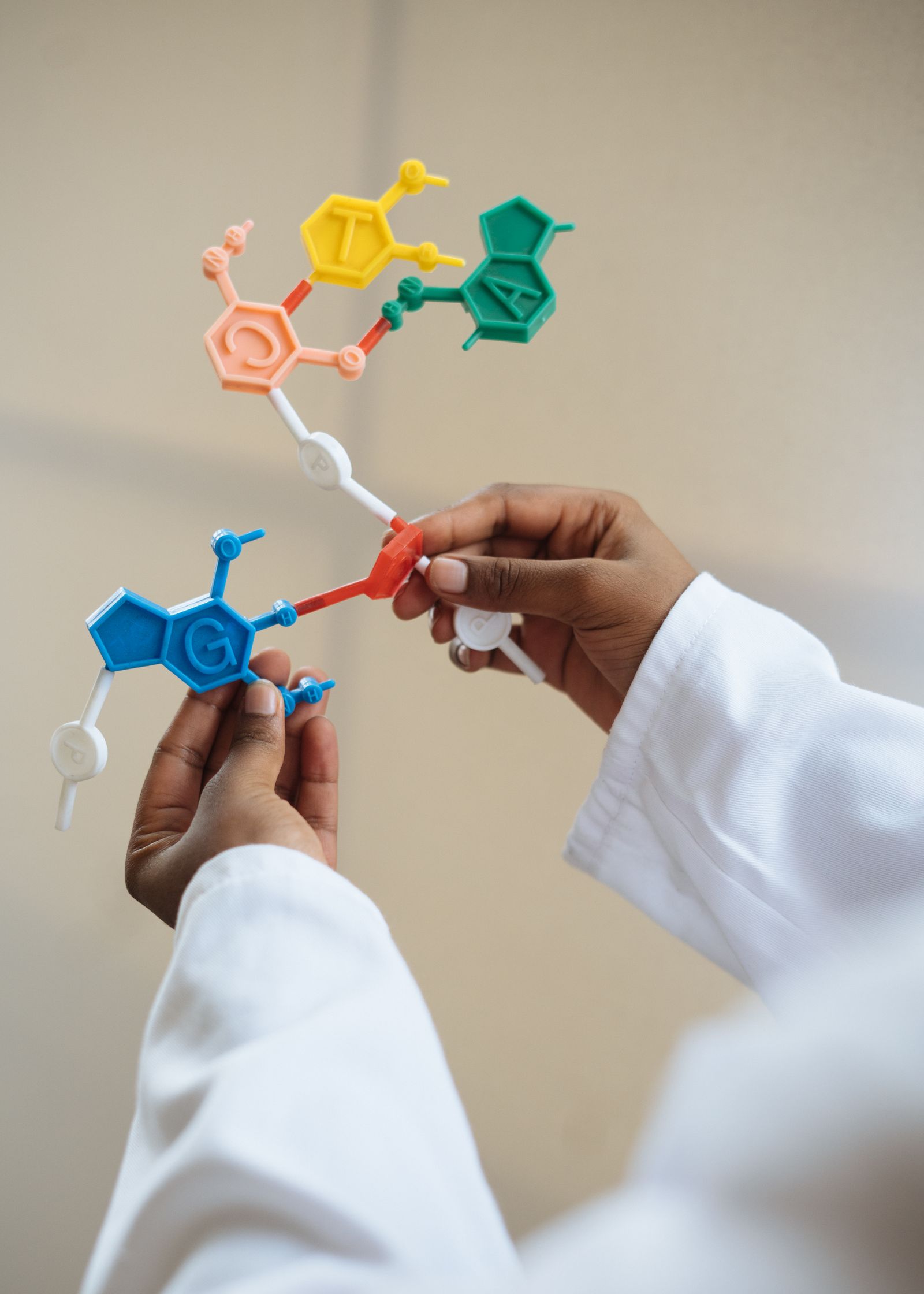
A young biotech company spends years developing a gene therapy method and files a patent in its home country. When it enters a new market it sends the text for a quick and cheap translation to meet a deadline. A single phrase in the main claim comes out broader than the original. A competitor later points to that phrase and argues the patent covers something it never should have. The science was brilliant. The translation opened a door that lawyers now have to close at great cost. Nobody noticed the problem until a rival used it.
Patents are legal documents and technical documents at the same time. The claims define what the inventor owns and every word in them counts. A change from may to must or from comprising to consisting can shift the scope of protection. In biotechnology the risk is even higher because the vocabulary is new and fast moving and many terms have no settled equivalent in other languages.
Timing adds pressure. Patent systems set deadlines for filing translations in each country. Missing a date can weaken or even end protection in that market. Teams under stress are tempted to choose the fastest and cheapest option. The invoice looks small and the risk stays hidden. A rushed text that no expert has checked often costs far more later in disputes and corrections than a careful translation would have cost at the start.
Biotech companies also deal with many other documents that need language care. Each one has its own audience and its own risks. Clinical protocols and regulatory submissions and investor updates and licensing contracts all travel across borders. They must stay consistent with the patent text. A product name or a gene name written two ways in two documents invites confusion and sometimes legal argument. Reviewers and partners notice these gaps quickly and wonder what else is inconsistent.
The good news is that a clear process can protect value without slowing innovation. You do not need to treat every document with the same depth. You need to know which texts carry legal weight and give them expert attention. The sections below show how biotech teams can plan their translation work and what to ask a language partner before the next filing.
Why Specialist Knowledge Matters
Patent texts follow strict conventions that differ from ordinary technical writing. Professional intellectual property translation services use translators who know both the science and the legal style. They understand how claims are built and how a small change of wording can affect scope. They also know the formal rules each patent office applies to translated documents. That knowledge prevents formal rejections that waste months.
Ask potential partners about their process. A good provider uses a translator with a background in the field and a second reviewer who checks terms and numbers. They keep a glossary for each project and record every decision on difficult terms. They also protect confidentiality because unpublished inventions are valuable secrets. Never send draft applications to a tool or a person without a clear confidentiality agreement. A leak before filing can damage the very novelty the patent depends on.
Building Consistency Across Documents
Biotech patent translation depends on consistent terms across the whole portfolio. Create a master glossary that lists every key term in the source language with the approved target term. Include gene names and protein names and method names and abbreviations. Update it whenever the team adopts a new term. Share it with every translator and reviewer who works on any related document.
Use the same glossary for regulatory files and investor material. A term that changes between a patent and a clinical protocol raises questions for reviewers and partners. Keep source files and approved translations in one controlled place. When a new application builds on an older family the team can reuse approved wording and save time and reduce risk. That reuse also keeps the whole portfolio speaking with one voice.
Trusted Sources and Practical Guidance
International bodies publish guides that explain how patents work across borders. The WIPO offers resources on filing and on the rules that shape international applications. Reading them helps teams plan timelines and budgets with fewer surprises. Our article on the intricacies of patent translation goes deeper into the choices translators face when claims contain unusual wording.
Regional offices also publish practical guidance for applicants. The EPO explains procedures and requirements for patents in Europe. Applicants should always check the current rules in each target country before they commission translation work. Requirements and deadlines can change and a local patent attorney can confirm what applies to your case.
A Simple Plan Before You File
Start months before the deadline. List the countries where you want protection and the language each one needs. Ask your patent attorney which texts must be translated and by when. Choose the translation partner early and share the source documents and the glossary and any earlier filings in the same family. Agree on review steps and on who signs off on the final text.
Keep a calendar of key dates for each country and build in time for questions and for review of every translated page. Translators often find ambiguities in the source text that the inventors can clear up in a short call. Fixing an unclear sentence in the original may even strengthen the application. After filing store all versions and notes so the team can answer questions years later. Patents live for a long time and the people who wrote them often move on.
Innovation only pays when it is protected everywhere it matters. Careful translation turns a strong patent in one country into a strong patent in many. Biotech teams that treat language as part of legal strategy avoid costly surprises and keep their attention on research. That discipline protects the value of the science and the people who created it. It also reassures investors who read the filing history with care.